Lofi Anamorphic Photography: Adapting an Anamorphic Moment Lens to a Full Frame Mirrorless Camera
As a photographer, one of the most popular questions that I receive time and time again is what camera brand is the “best”. The truth is, that over the past decade with the largely wholesale adaptation of mirrorless design, camera technology has functionally matured to a point where the vast majority of professional, or near professional equipment is nearly perfect. Modern camera bodies have effective autofocus for eyes, bodies, birds, planes, and cars. Lenses offer flawless performance across the entire frame, and through the aperture range. All modern brands deliver excellent cameras that take incredible pictures.
Nevertheless, there exists a parallel industry of camera and lens manufacturers that sells imperfection. Bored of the clinical results of modern equipment, many photographers seek out lenses and bodies that reproduce the flaws that have been engineered out of decades of improvement, or offer some level of a return to a more analog experience.
In that context, I’ve fallen in love with this niche of the photography world, always on the lookout for an interesting diversion to my professional work, which admittedly needs to be more polished. When I spotted this little adapter on Novak the Enjoyer’s Youtube channel for using Moment’s iPhone lenses on a mirrorless body, I jumped at the chance to hopefully create some unique photos.
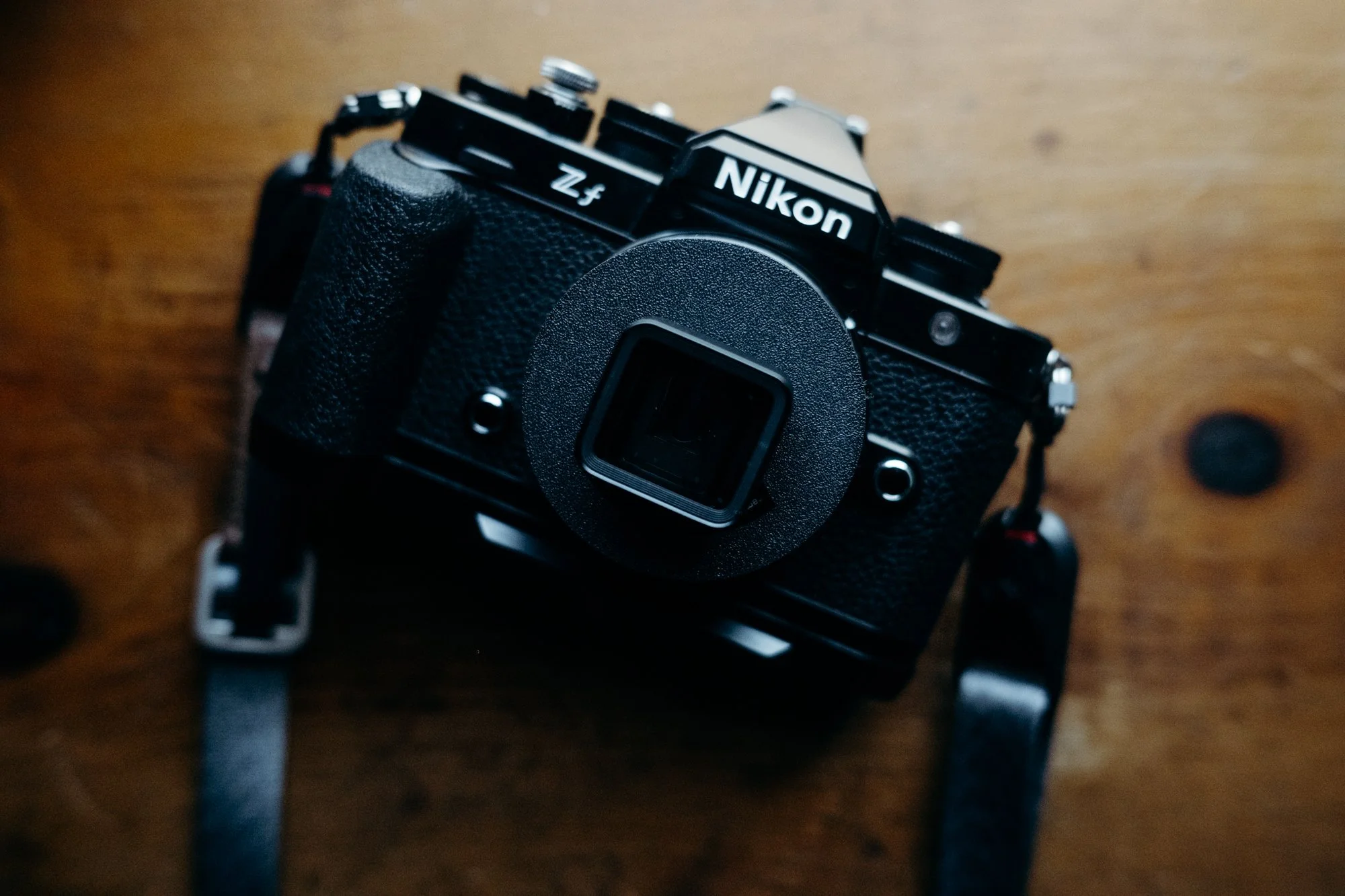
What caught my attention was that this was a low stakes opportunity to play with an anamorphic lens. Anamorphic lenses allow photographers and videographers using standard sensors to record a compressed image that can be “desqueezed” in post to show a wider aspect ratio, giving the final product a more “cinematic” look.
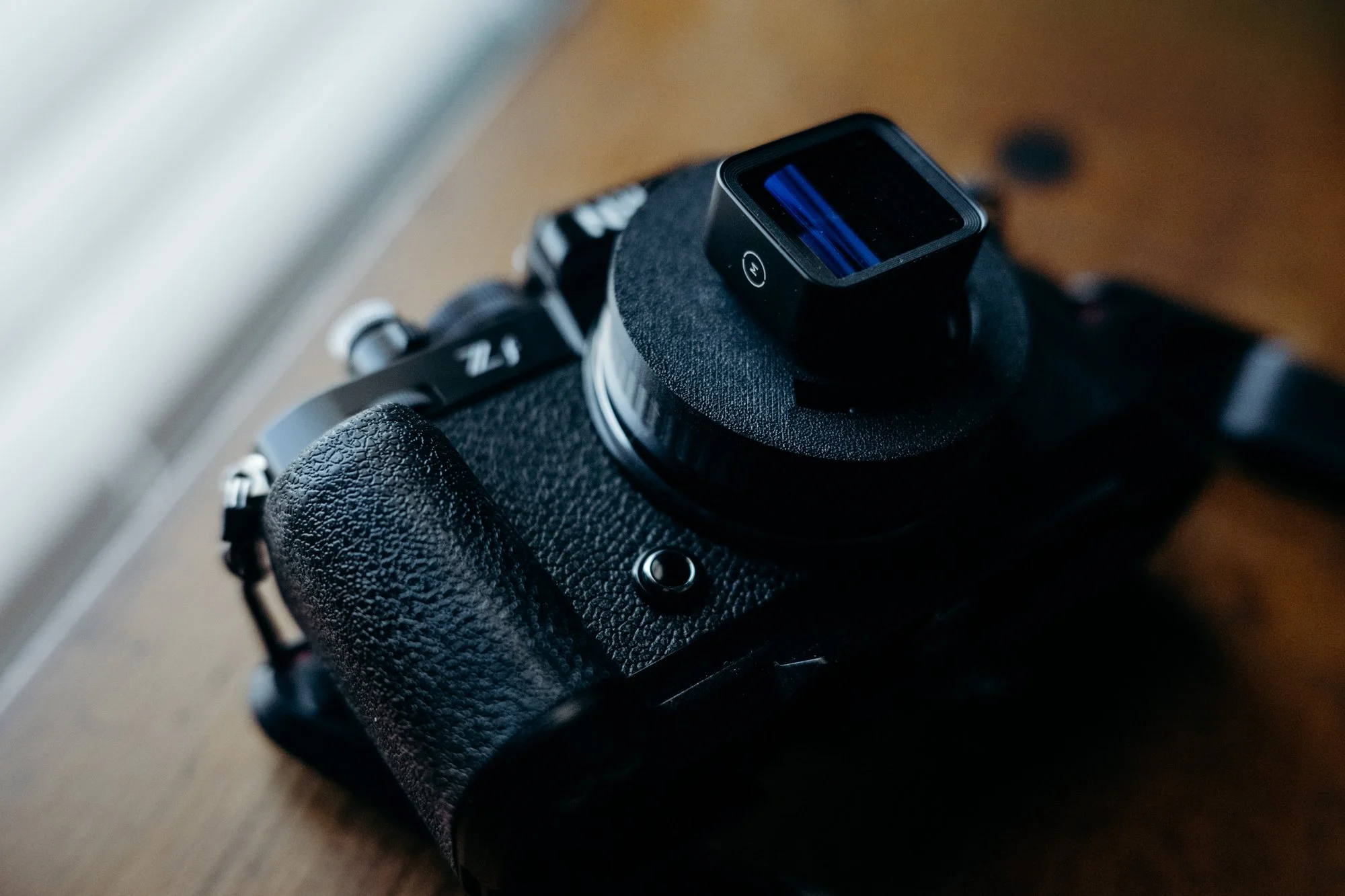
Novak’s adapter is a 3d-printed piece that connects Moment’s 1.33x Anamorphic lens to the Viltrox 28mm f4.5 pancake lens. For under $275, you have a functional full frame auto-focus anamorphic setup. *Edit: The M-series lens I’m using is currently on sale for $25, so that puts this setup under $150.
Now, in full transparency, I already had the Moment lens. My investment here was $115, and the Viltrox 28mm is an excellent modern lens that belongs in the bag of any photographer. Low stakes for me, but I was hopeful that these images would at least be interesting, and usable in some capacity.
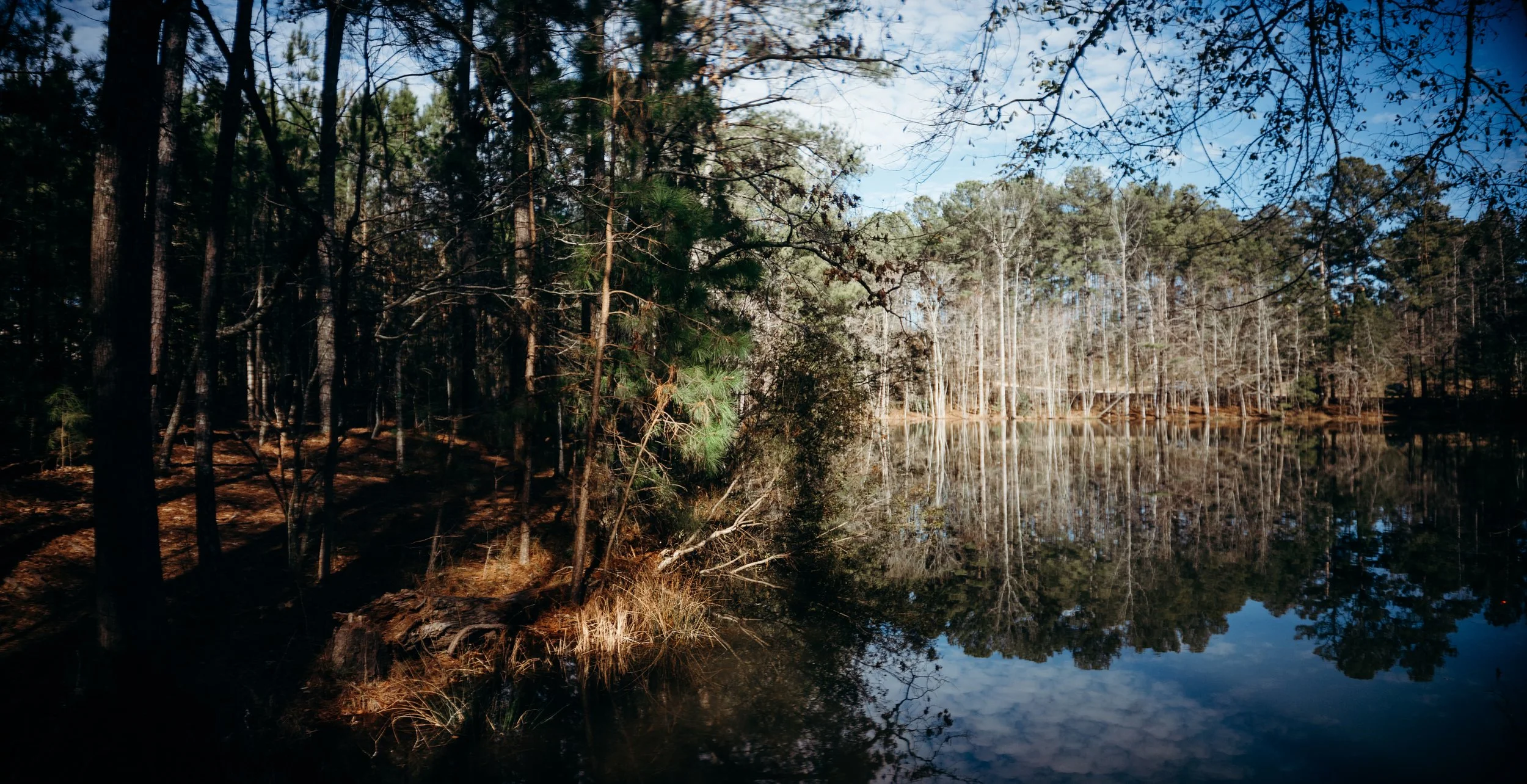
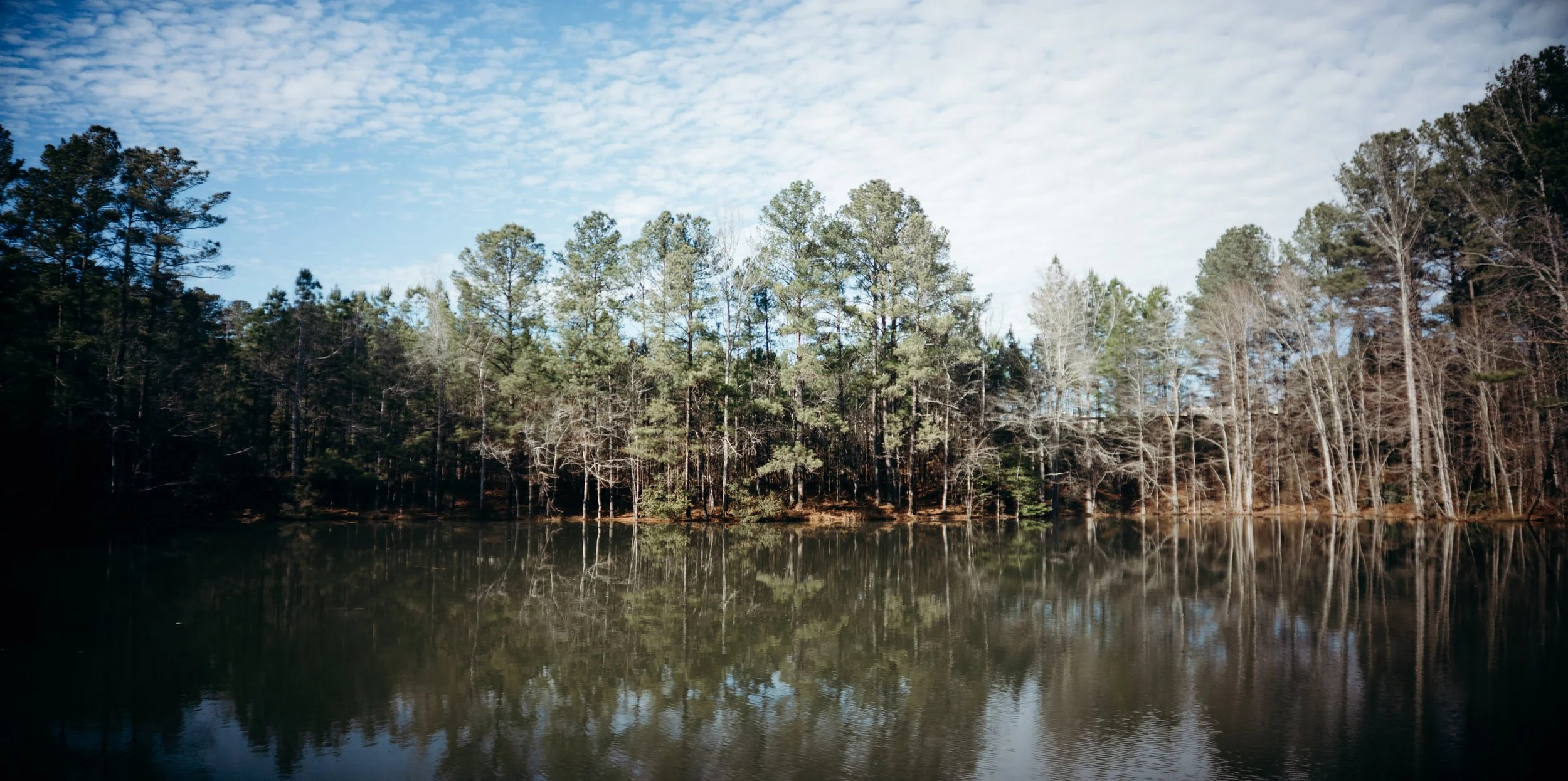
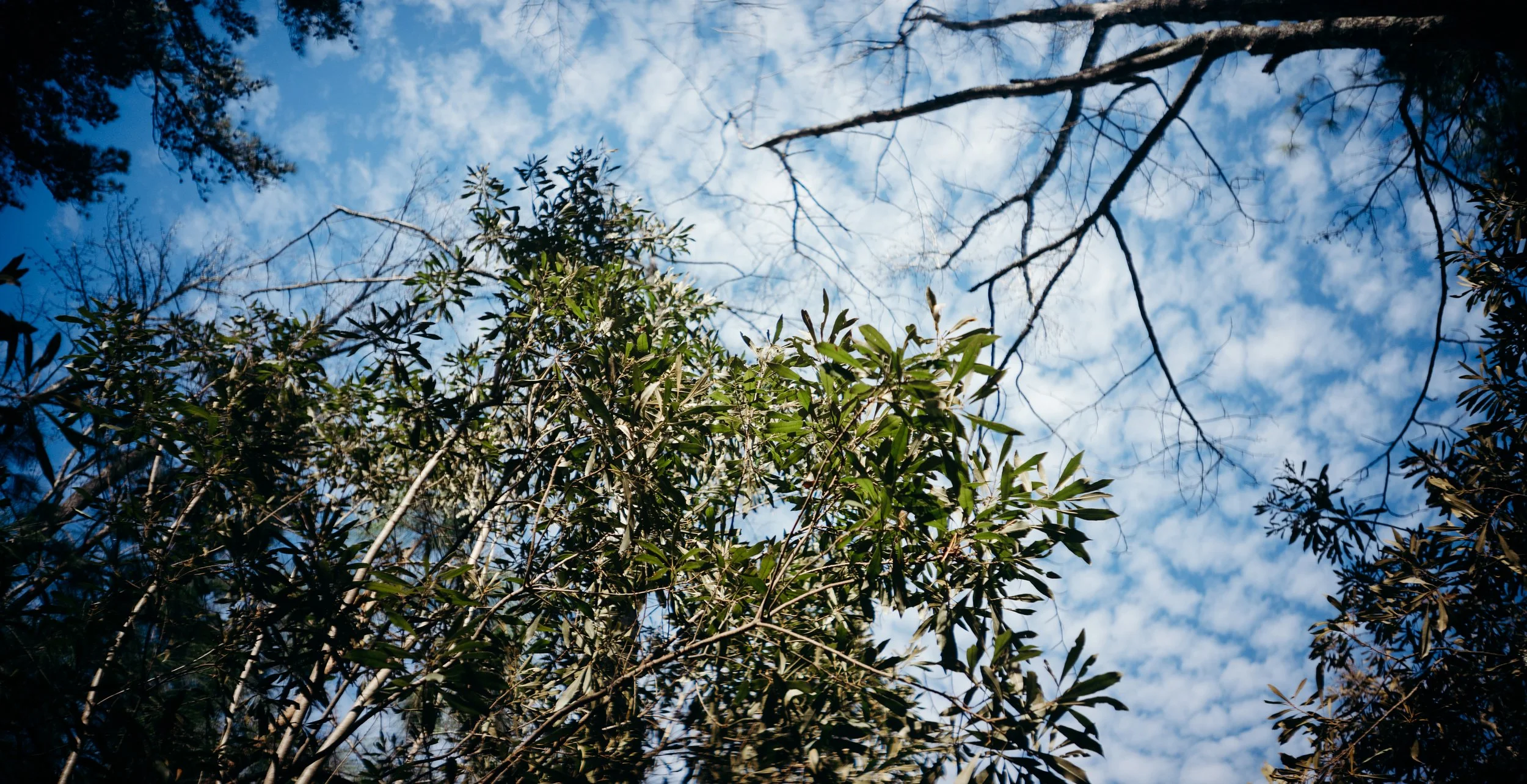
I took the setup on a walk through Line Creek Nature Area in Peachtree City, and was pleasantly surprised. Now, in any modern context, these images are technically bad. A lens designed for an iPhone sensor is never going to resolve well onto a modern full-frame sensor. There’s no need to pixel peep, either. The details are muddy, the contrast is low, and there’s some effect happening at close distances that appears to be motion blur, but isn’t.
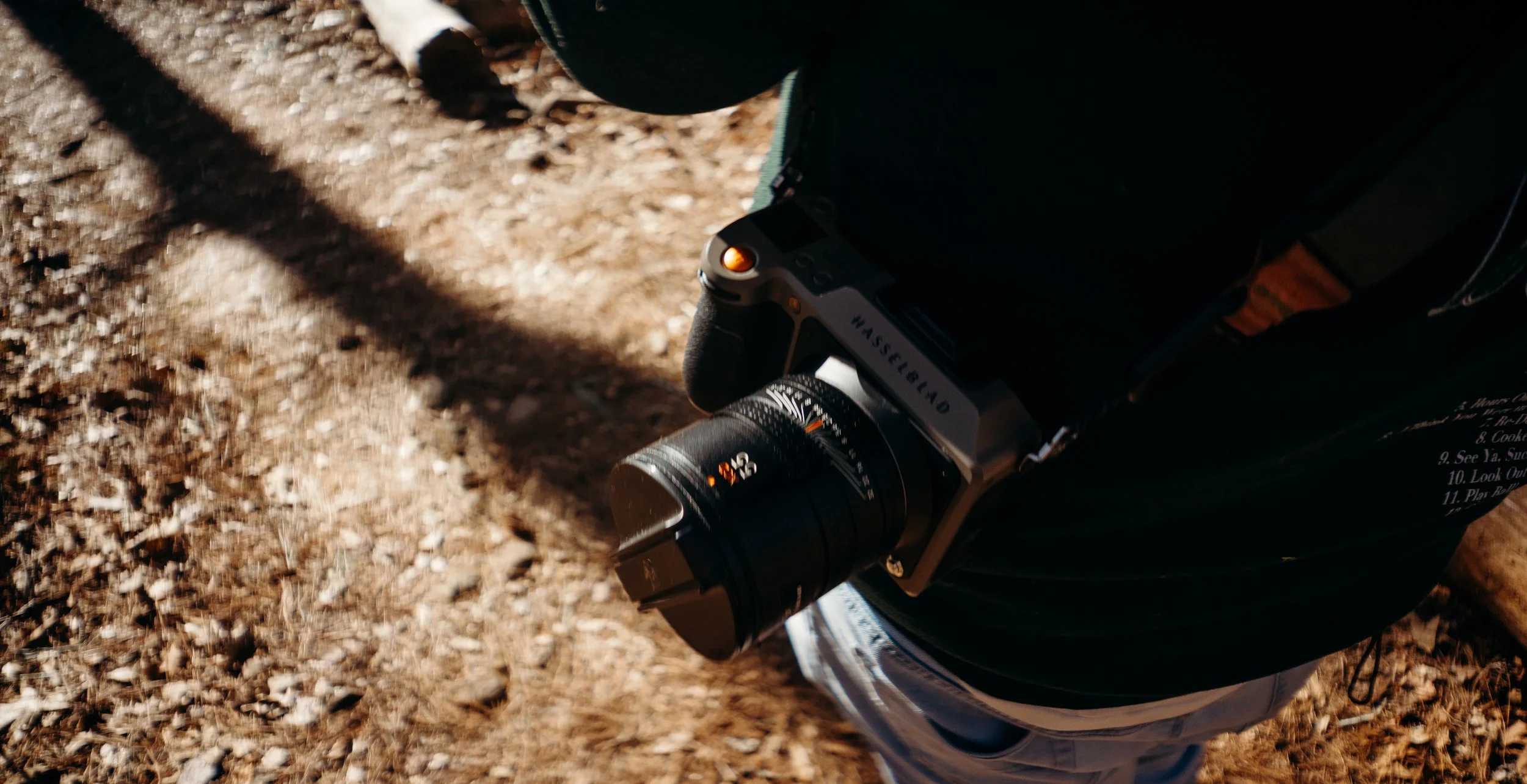
All that said, I actually really like this combo. The closest thing I can compare these to in my own experience is my time with Lomography’s rerelease of the Holga toy film camera. The outer edges of the frame are heavily vignetted and frenetic, but are full of character. The autofocus on my Nikon ZF was admittedly slow through this unconventional setup, but it still worked, and ultimately grabbed onto what I told it to focus on.
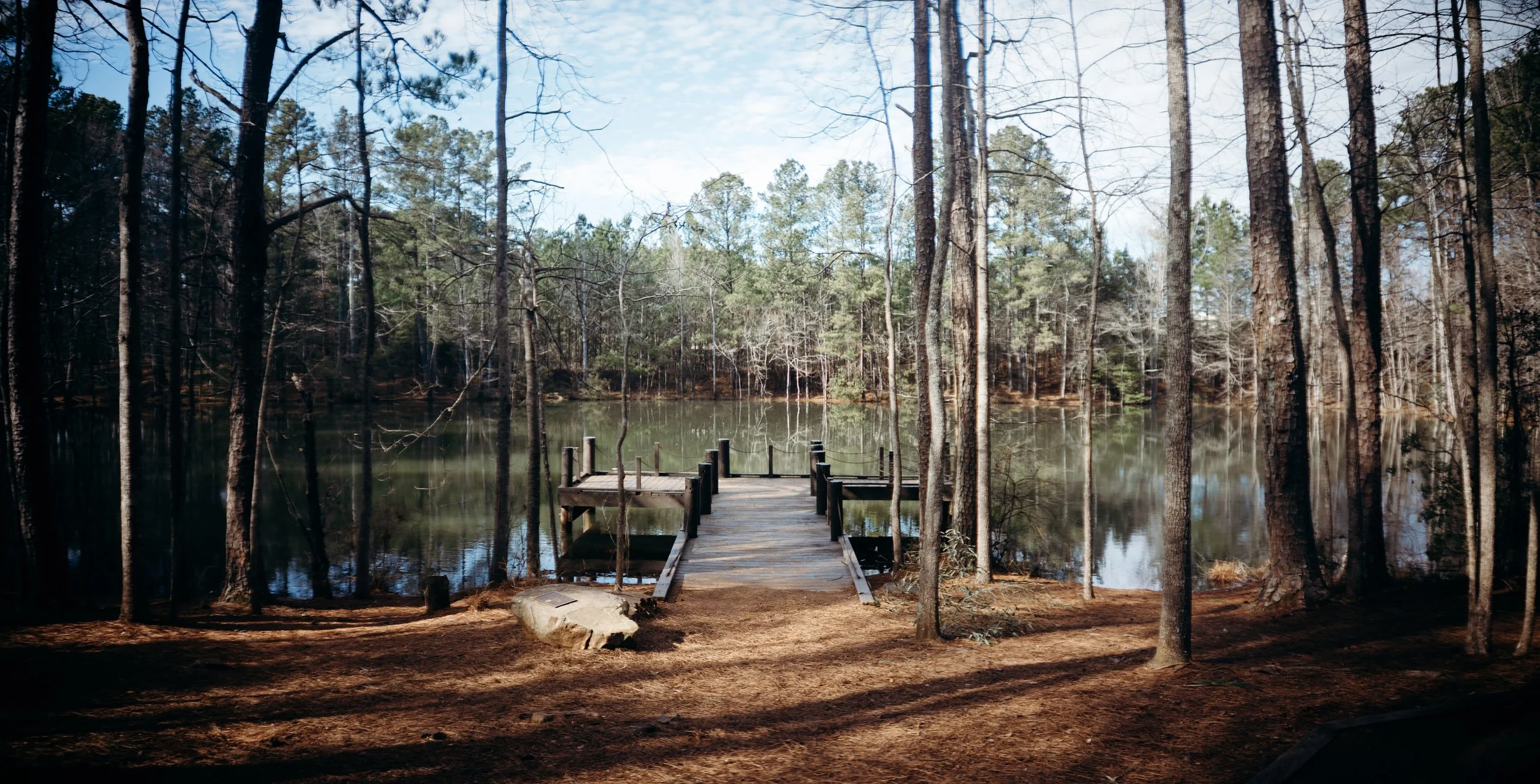
I de-squeezed the images in photoshop by multiplying the widest side of the image by the 1.33x compression ratio. The widened 2:1 cinematic ratio mirrors what one would see with modern video cameras from Arri or Blackmagic. Although the constant f4.5 aperture doesn’t yield any bokeh, I did get the anamorphic flares when shooting into the sun, a feature of anamorphic lenses. My particular model gives blue streaks, but I think the other option that provides golden streaks would feel a little more natural in this use case.
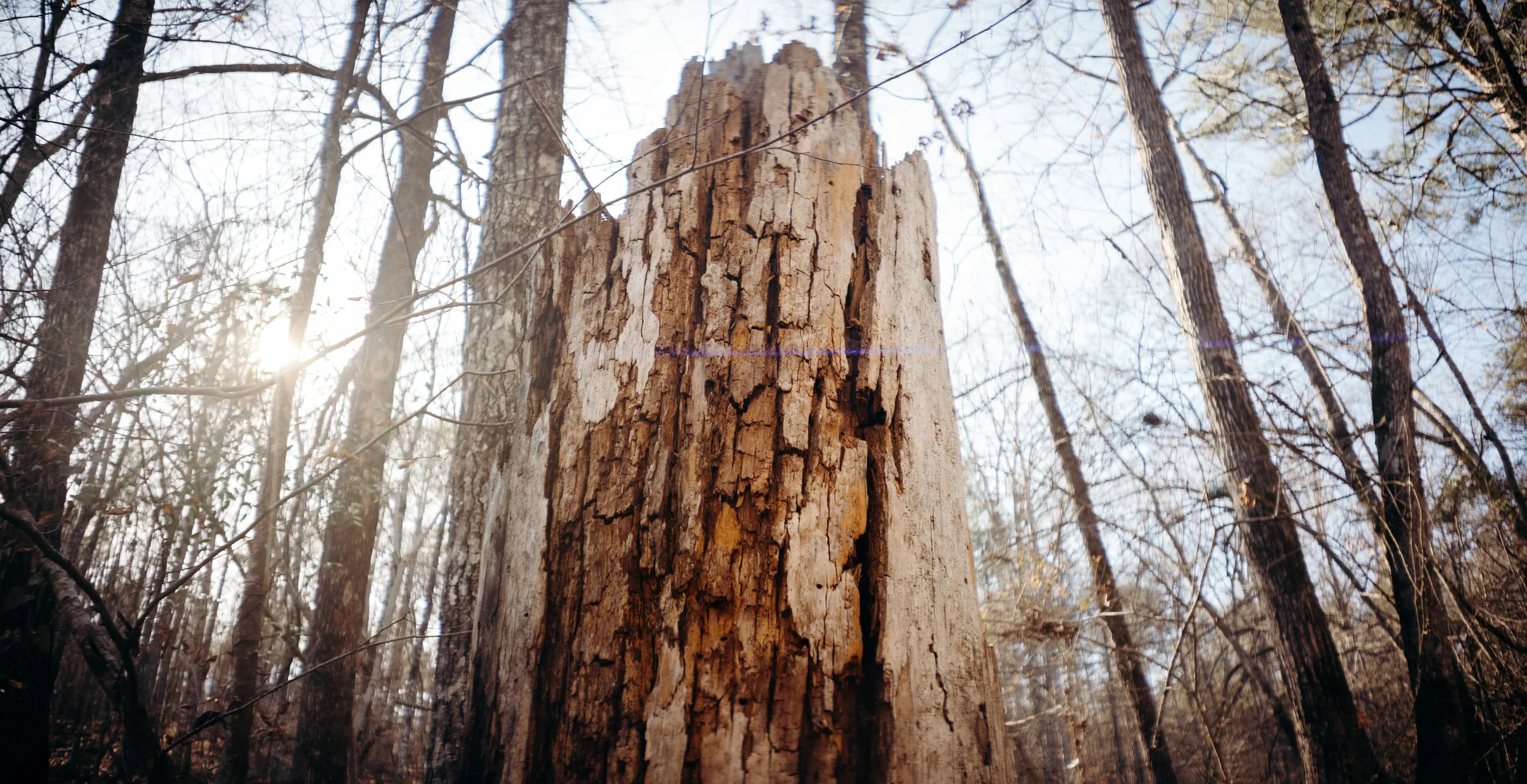
There’s probably a large majority that would look at this setup as a waste of time and money, especially with a camera like the ZF. And that’s an entirely fair assessment. These photos are technically bad now, and they’d probably be bad 40 years ago.
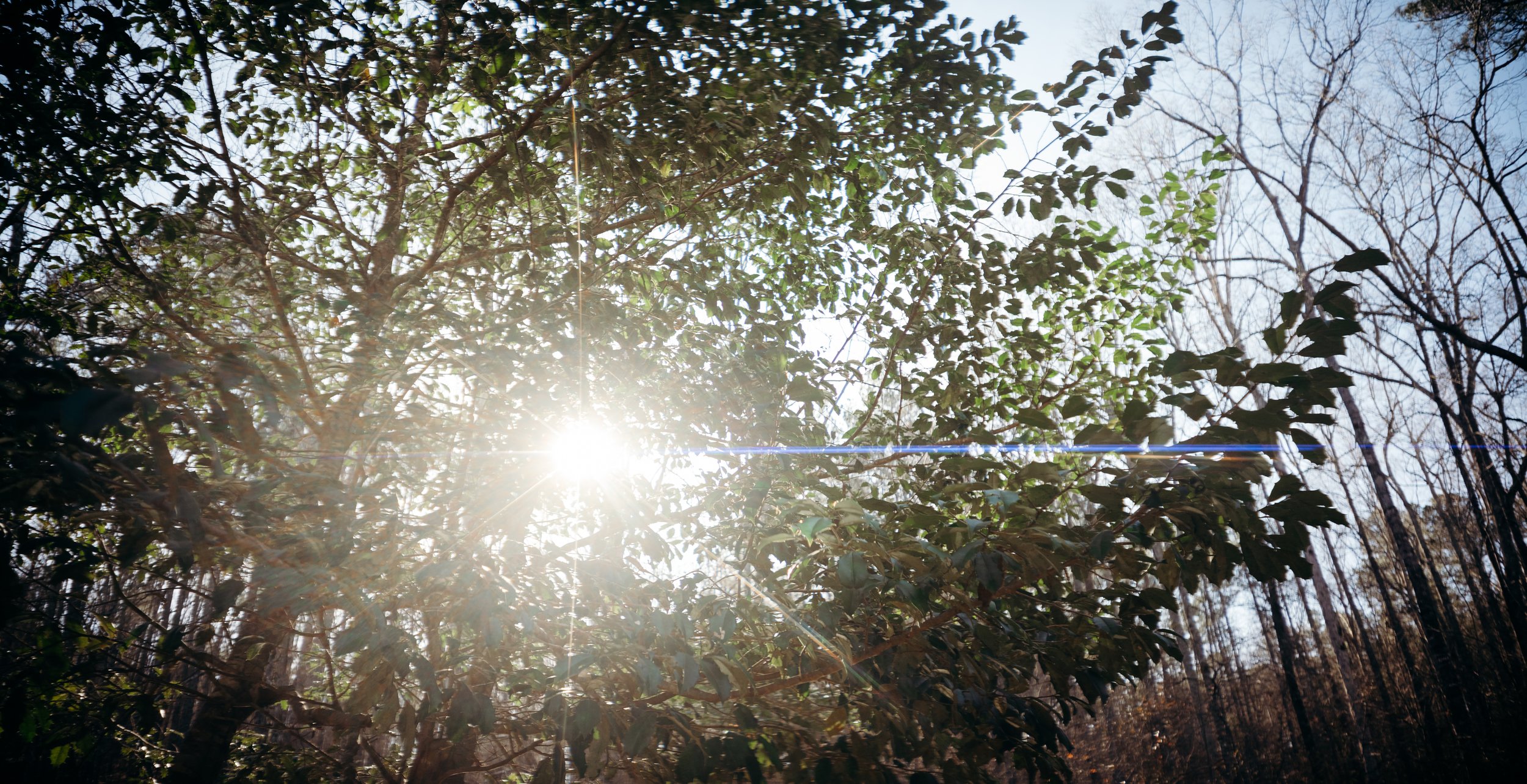
That being said, for those that enjoy experimenting with lofi aesthetics, I think this is a pretty neat, low-budget way to have some fun without buying old, finicky equipment, or dealing with expensive film processing. Massive thank-you to Novak the Enjoyer for figuring this out, and creating a solution for a few other nerds.